
Punjab SC Commission Submits Memorandum to NC-SC Seeking Removal of Discriminatory Terms in Census 2027
- Various
- (Asia/Kolkata)
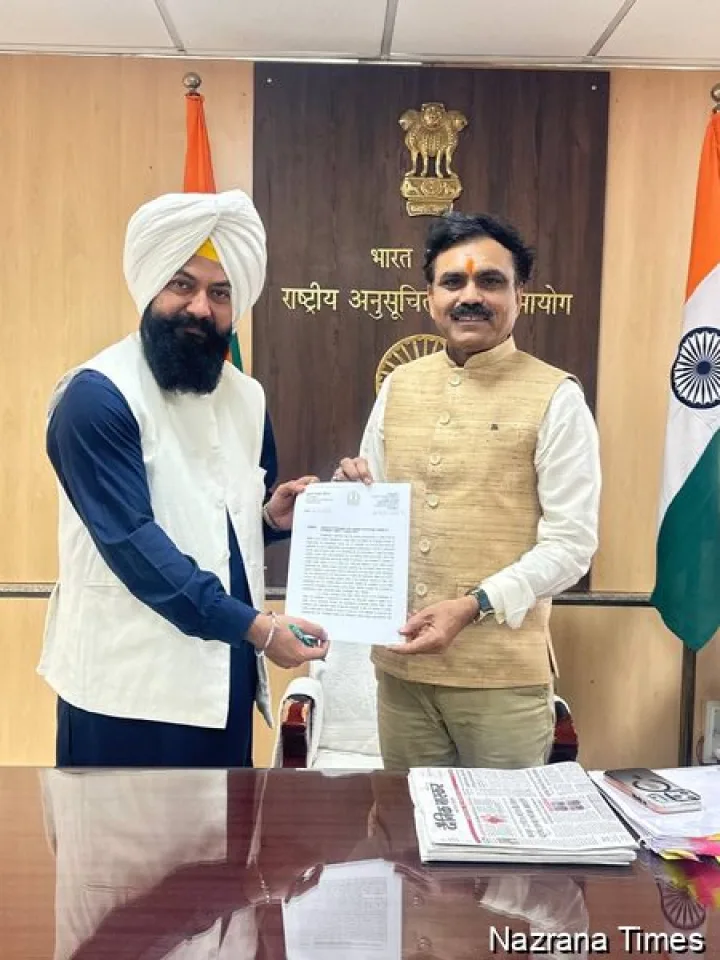
Chandigarh, 19 May: Punjab State Scheduled Castes Commission Chairman Jasvir Singh Garhi today met officials of the National Commission for Scheduled Castes (New Delhi) regarding the use of derogatory and prohibited words for Scheduled Castes in the draft forms prepared for Census 2027. A memorandum requesting immediate removal of such language from census forms and digital platforms was submitted during the meeting.
According to a spokesperson for the Punjab State Scheduled Castes Commission, the Commission has approached the national body to ensure that insulting and socially discriminatory terminology used in Census 2027 lists and online self-enumeration portals is promptly withdrawn. The action follows a formal complaint registered with the Punjab Commission (Complaint No. 1211/26/PSSCC/5325-26), which prompted Chairman Jasvir Singh Garhi to take up the matter.
In the memorandum submitted to the National Commission for Scheduled Castes, Mr. Garhi emphasized that continued use of such language in official documents constitutes a direct violation of Articles 14 (Equality), 17 (Abolition of Untouchability), and 21 (Right to Life with Dignity) of the Constitution of India. The memorandum requested immediate removal of all objectionable terms from the census formats and the self-enumeration portal and proposed measures to prevent recurrence of similar incidents in future census processes.
The Punjab State Scheduled Castes Commission urged the national authorities to take urgent corrective action and to ensure that census materials respect the dignity and constitutional rights of Scheduled Caste communities.






Leave a Reply