
Pakistan Seeks Urgent LNG Supplies Amid Energy Crisis, Eyes Safe Passage via Strait of Hormuz
- Internationl
- (Asia/Kolkata)
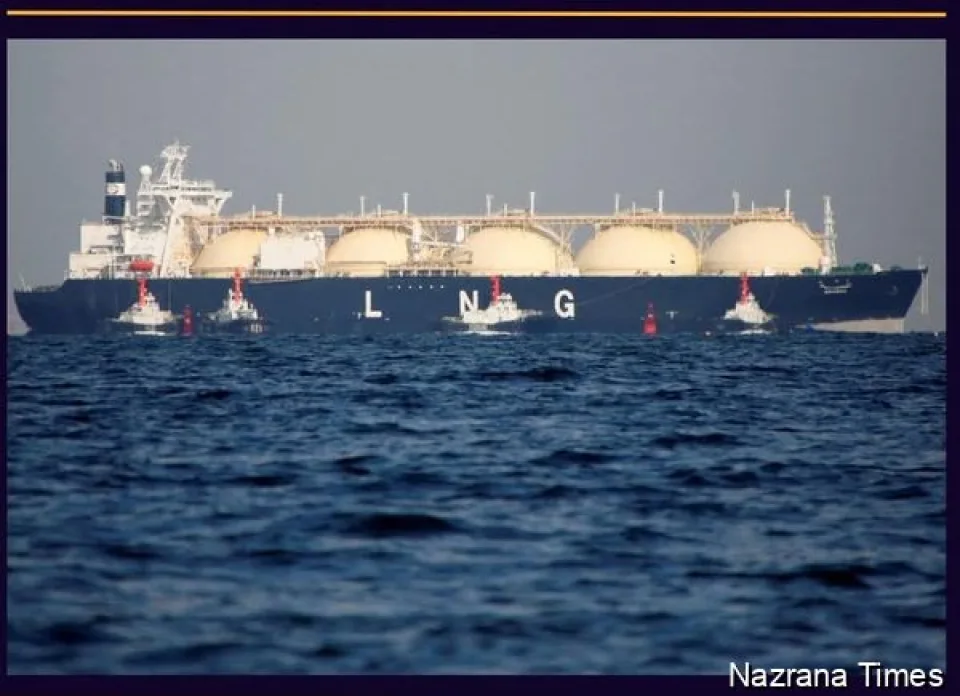
Pakistan Seeks Urgent LNG Supplies Amid Energy Crisis, Explores Diplomatic Channels for Safe Passage via Strait of Hormuz
Islamabad — By Ali Imran Chattha
State-owned Pakistan LNG Limited (PLL) on Wednesday issued an urgent tender for the import of two liquefied natural gas (LNG) cargoes, scheduled for delivery between May 12–14 and May 24–26, as intensifying summer heat continues to strain the country’s power generation capacity.
The deadline for bid submissions has been set for May 7, with bids to be opened the same day, reflecting the government’s immediate need to secure fuel supplies. The move follows the complete consumption of an LNG cargo imported in late April, leaving limited buffer to meet the expected surge in electricity demand.
The situation is further complicated by ongoing geopolitical uncertainty in the Middle East, particularly around the Strait of Hormuz—a critical global energy transit route. Earlier expectations that tensions would ease and shipping routes would stabilize have not materialized, raising concerns over timely LNG deliveries.
Sources indicate that Pakistan may be engaging in quiet diplomatic contacts with Iranian authorities to ensure the safe passage of its LNG cargoes through the region. While no official statement has been issued by either Pakistani or Iranian officials, past instances suggest that Iran has previously facilitated the secure transit of petroleum shipments destined for Pakistan.
Pakistan’s strategic position as a potential mediator between Iran and the United States has also gained international attention. In recent developments, it is being reported that efforts influenced by Pakistan contributed to a temporary halt in operations aimed at removing commercial vessels from the Strait of Hormuz, after Iran signaled resistance to such actions. However, these claims remain unofficial and have not been formally confirmed by relevant authorities.
Energy experts warn that any disruption or delay in LNG shipments could have serious domestic consequences. Failure of these cargoes to arrive on schedule may lead to a sharp increase in gas shortages, further driving up energy prices and exacerbating inflationary pressures. Additionally, industrial output across key sectors could be negatively impacted, as many industries rely heavily on gas for production.
Last month, PLL rejected two high-priced bids for similar delivery windows but accepted one cargo at $18.4 per million British thermal units (mmBtu), underlining the volatility of global LNG markets. Prices remain sensitive to geopolitical tensions, supply chain disruptions, and competition from major importers in Asia and Europe.
Globally, LNG demand has surged in recent years due to energy security concerns following conflicts and supply disruptions, particularly after the Russia-Ukraine war reshaped energy trade flows. Countries across South Asia, including Pakistan, are increasingly vulnerable to price shocks and supply constraints due to their dependence on spot market purchases.
The latest tender highlights Pakistan’s growing reliance on imported LNG to bridge its energy gap during peak summer months, as well as the urgent need for stable and secure supply routes to prevent prolonged power outages and economic slowdown.






Leave a Reply