
Four Pakistani Prisoners Repatriated from India in Humanitarian Move
- Internationl
- (Asia/Kolkata)
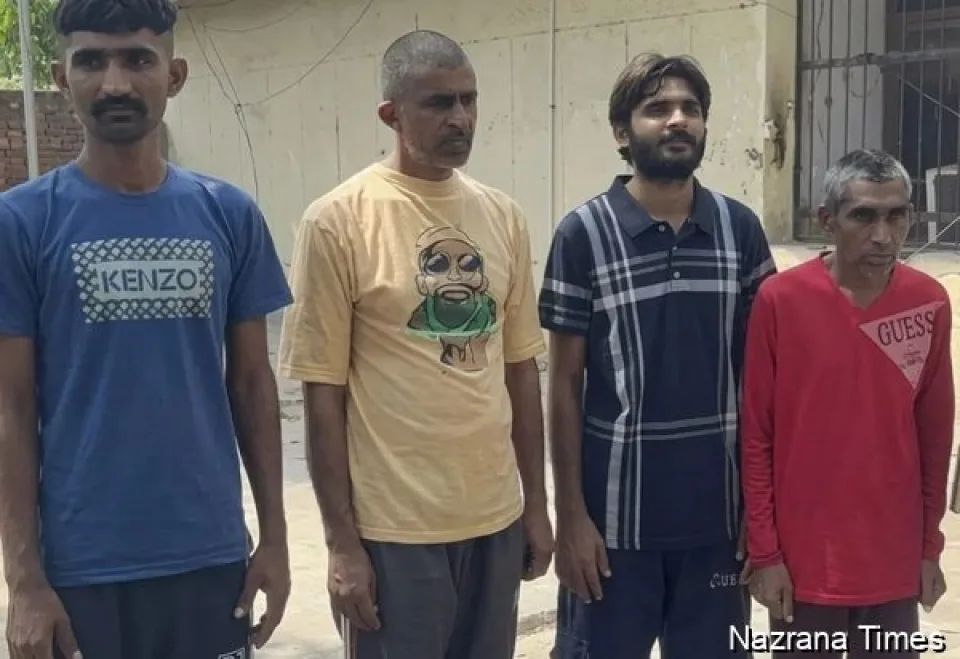
Lahore: Four Pakistani Prisoners Repatriated from India in Humanitarian Gesture
Ali imran Chattha
Lahore Nazrana Times
Four Pakistani nationals, who had completed their prison terms in India, were repatriated on Wednesday and handed over to Pakistani authorities at the Wagah Border. The men were received by officials of the Pakistan Rangers after their release, facilitated by the Pakistan High Commission in New Delhi.
The repatriation marks a positive humanitarian development amid longstanding cross-border prisoner issues between Pakistan and India. The four individuals had been detained for periods ranging from six months to nearly ten years, according to reports.
One of the released prisoners told Indian media that he had inadvertently crossed into Indian territory, a common occurrence in border areas due to confusion, navigational errors, or personal vulnerabilities. Pakistani officials described the return as a humanitarian gesture, with the prisoners expressing relief upon reuniting with their families and homeland.
Vulnerable Detainees and Mental Health Concerns
Security sources indicated that the repatriated prisoners included individuals with mental health challenges. Human rights organizations, including Human Rights Watch, have repeatedly highlighted the heightened vulnerability of persons with psychosocial disabilities in detention systems across South Asia. Such individuals often struggle to understand legal proceedings or adequately defend themselves, raising concerns about compliance with international human rights standards.
Advocates emphasize that unintentional border crossings by civilians — particularly fishermen and mentally challenged persons — should be handled primarily as humanitarian cases rather than strict criminal or security matters.
Broader Context of Prisoner Exchanges
The incident underscores persistent challenges in India-Pakistan relations regarding civilian detainees:
Civilians frequently cross borders unintentionally and face prolonged detention.
Delays in identity verification and diplomatic processes sometimes result in extended imprisonment even after sentences are served.
Families often remain unaware of detainees’ status for extended periods.
Under a bilateral agreement, both countries exchange lists of prisoners twice a year. As of January 1, 2026, Pakistan had listed 266 Pakistani prisoners in Indian jails, while India listed 462 Indian prisoners in Pakistani custody.
Systemic Issues in Prisons
Reports by Human Rights Watch point to wider structural problems in regional prison systems, including overcrowding, inadequate healthcare, and limited resources for vulnerable detainees. The organization has called for special protections for mentally ill prisoners, including timely medical care, legal assistance, and expedited repatriation once sentences are completed.
International human rights bodies urge both nations to:
Expedite the release and repatriation of prisoners who have served their terms.
Ensure prompt consular access and legal aid.
Prioritize humanitarian considerations, particularly for those with mental health conditions.
Strengthen mechanisms for early identification and dignified treatment of vulnerable individuals.
Positive Step Amid Ongoing Challenges
The successful return of the four Pakistanis is being welcomed as a constructive step. However, it also highlights the need for faster diplomatic coordination and improved safeguards to prevent prolonged suffering of civilians caught in cross-border situations beyond their control.
Pakistani authorities have assured full support for the reintegration of the returned prisoners, including medical and psychological care where required.Four Pakistani Prisoners Repatriated from India in Humanitarian Move






Leave a Reply