
“Islamabad Process” Emerges as Key Peace Initiative
- Internationl
- (Asia/Kolkata)
Pakistan Leads Diplomatic Push to Ease Iran–US Tensions
Islamabad/ report Ali imran Chattha
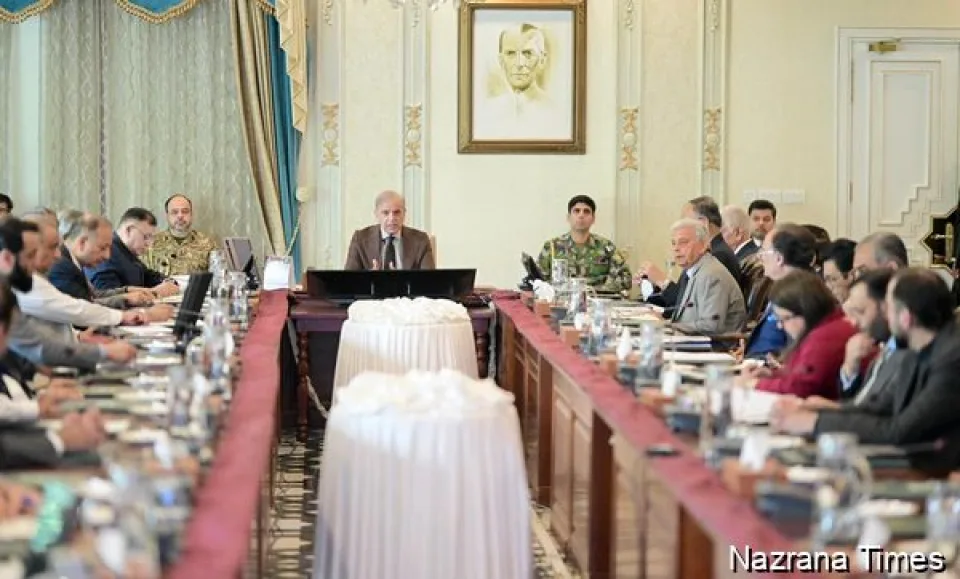
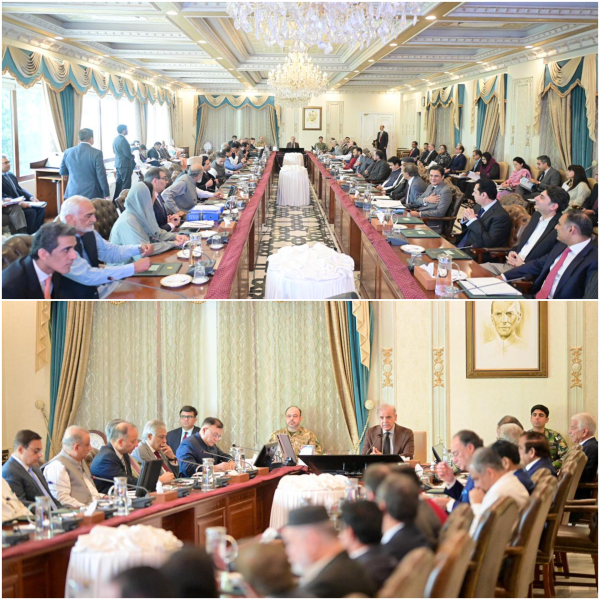
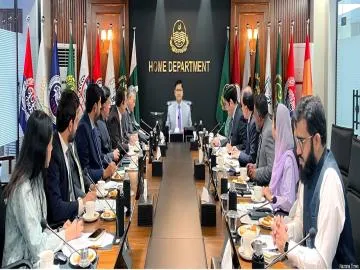
Pakistan has stepped up its diplomatic engagement to defuse rising tensions between Iran and the United States, with Prime Minister Shehbaz Sharif informing the federal cabinet of ongoing mediation efforts aimed at preventing further escalation in the Middle East.
Chairing a cabinet meeting in Islamabad, the prime minister highlighted Pakistan’s role in facilitating a temporary ceasefire between Washington and Tehran earlier this month, followed by high-level talks hosted in the capital. The negotiations, led by senior civilian and military leadership including Asim Munir and Ishaq Dar, marked a rare diplomatic engagement between the two adversaries.
Despite extended discussions, key disagreements persist over strategic and security issues, including maritime access, sanctions, and long-term regional stability. Recent diplomatic contacts, including a visit by Iranian Foreign Minister Abbas Araghchi to Islamabad, were part of efforts to sustain dialogue. However, a planned follow-up round of talks involving US representatives was postponed, underscoring ongoing challenges.
The prime minister reaffirmed Pakistan’s intention to continue its role as a neutral facilitator, emphasizing the importance of dialogue to prevent further instability. Officials have begun referring to the initiative as the “Islamabad Process,” reflecting Pakistan’s central role in mediation.
Government Contains Impact of Global Oil Price Volatility
The cabinet was also briefed on the government’s response to fluctuations in global oil markets. The prime minister expressed satisfaction that measures taken so far have cushioned the domestic impact, shielding consumers from the full effects of rising international prices. Authorities continue to monitor the situation closely.
Key Policy Approvals Focus on Health, Agriculture and Skills
In a series of major decisions, the cabinet approved a National Vaccine Manufacturing Policy aimed at reducing dependence on imports and boosting local production. A regulatory mechanism will oversee pricing and quality standards to ensure efficiency and affordability.
The government also approved Pakistan’s first National Agriculture Biotechnology Policy, designed to enhance food security and modernize farming through scientific innovation. In addition, the National Seed Policy 2025 received in-principle approval, targeting a significant increase in crop productivity and encouraging collaboration with international partners.
A National Skills Development Policy was also endorsed, focusing on equipping the workforce with market-relevant training and internationally recognized certifications, particularly for employment opportunities abroad.
Relief for Teachers and Review of Energy Sector
The cabinet approved steps to regularize daily-wage teachers working under the Federal Directorate of Education, bringing them under a formal contractual framework in line with a court ruling.
It also reviewed key reports on the power sector, including the annual performance and regulatory overview, reflecting ongoing efforts to improve governance and efficiency in the energy industry.
Cabinet Offers Condolences
The meeting concluded with prayers for the late mother of Federal Minister Imran Ahmad Shah, with cabinet members expressing condolences and solidarity with the bereaved family.




Leave a Reply