
Saanjh Punjabi TV Channel Announced at Lahore Conference; Speakers Call for Punjabi in Primary Schools
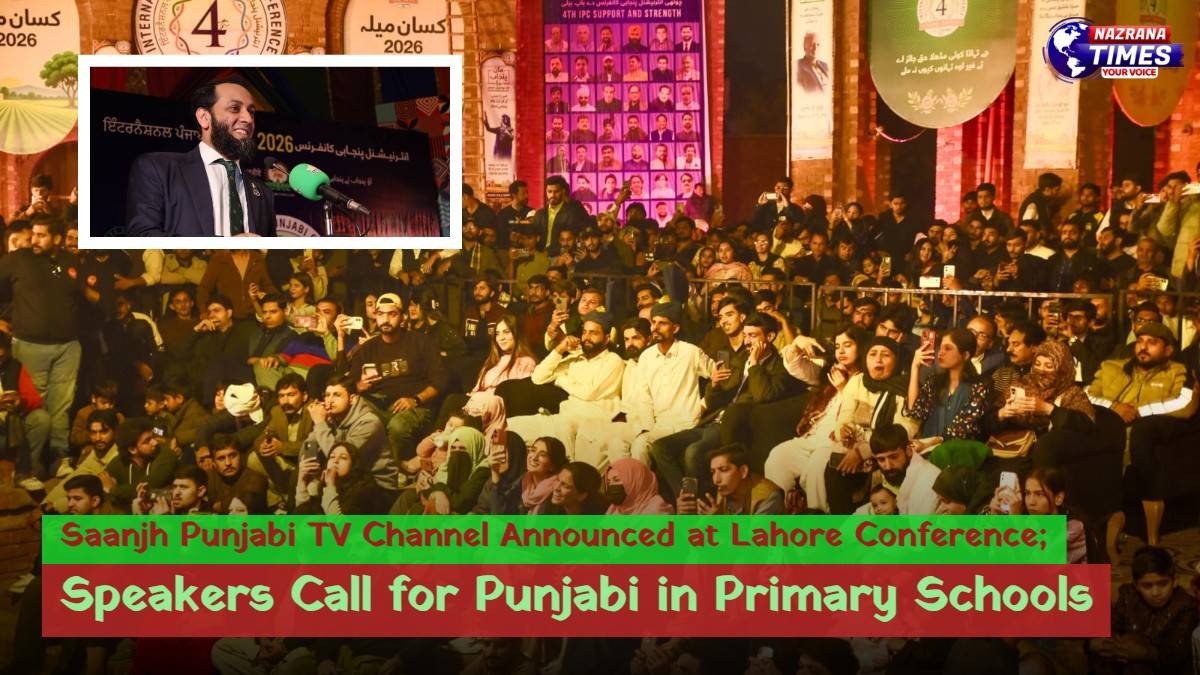
LAHORE, November 28 (Ali Imran Chattha, Nazrana Times): Federal Minister for Information and Broadcasting Attaullah Tarar announced on the second day of the Fourth International Punjabi Conference that a dedicated Punjabi-language television channel, Saanjh, would be launched. He said the channel would promote Punjabi language, literature and culture and pledged the federal government’s full support for efforts to preserve and promote the mother tongue.
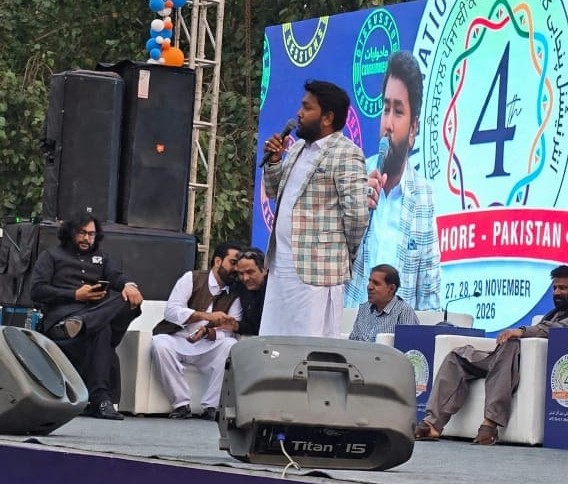
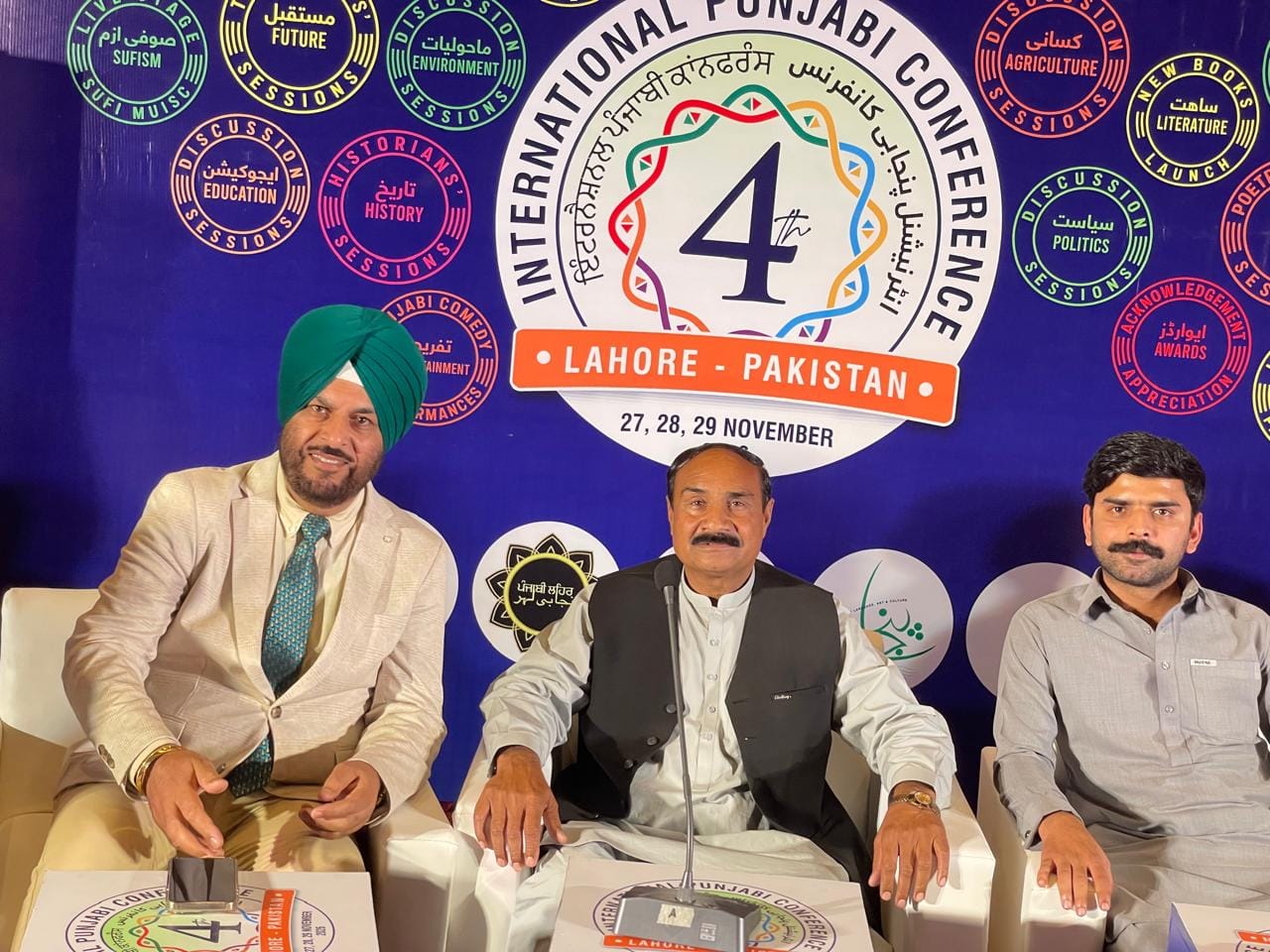
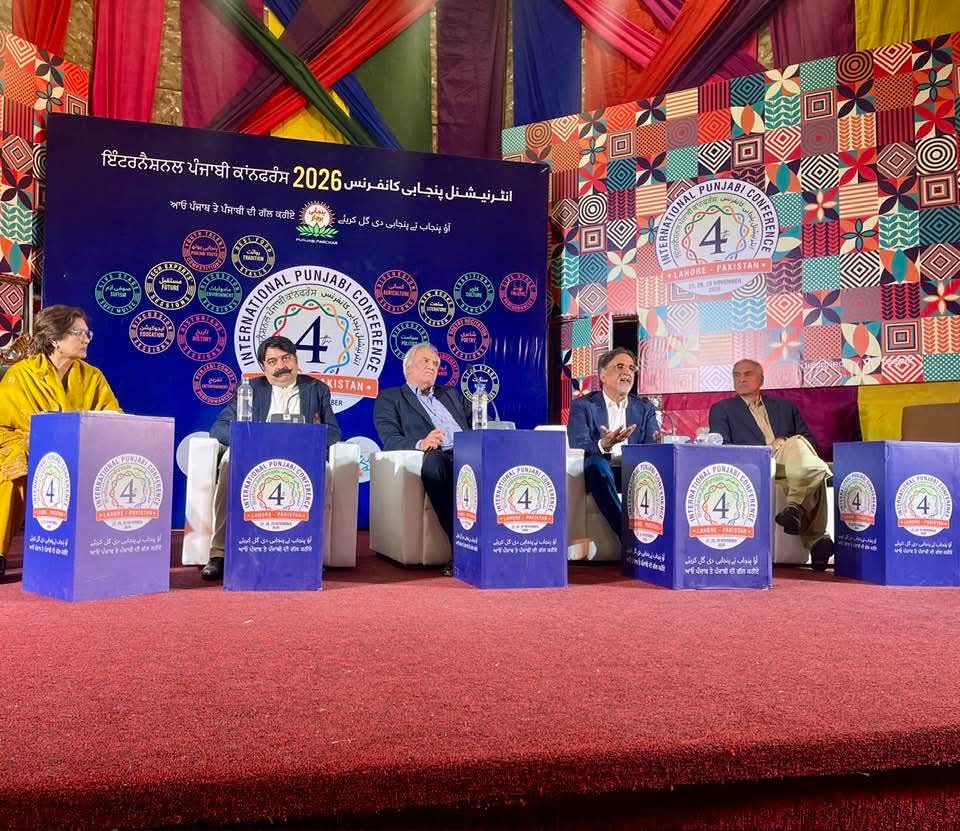
Politicians, academics, intellectuals, writers, artists and international delegates took part in sessions at Qaddafi Stadium on Punjabi language, cultural heritage, political identity, education, literature and the future of the mother tongue. The three-day conference, organised by Punjabi Parchar and Punjabi Lehar in collaboration with the Punjab Institute of Language, Art and Culture (PILAC), features 116 speakers across 72 sessions and nine thematic tracks. The programme includes academic debates, political discussions, literary presentations, theatre, poetry and music.
Tarar Proposes Using State Media to Promote Punjabi
Tarar said Radio Pakistan, Pakistan Television and the Ministry of Information and Broadcasting’s social media platforms could be used to promote Punjabi. He proposed that participants submit a charter of demands to the ministry and form a committee of conference representatives to recommend practical steps for promoting the language through state media and digital platforms.
He called for Punjabi to be introduced and promoted at every level of education, including schools, colleges and universities, and urged participants to build consensus on its inclusion in the curriculum. He also stressed the need to strengthen written Punjabi and improve its recognition in academic institutions.
Tarar said Pakistan was fortunate to be home to sacred Sikh sites and to welcome pilgrims from around the world. He said he would raise visa-related concerns with the Foreign Ministry and proposed Islamabad as the venue for the next international conference.
Punjab’s Political Identity and the Place of Punjabi in Government
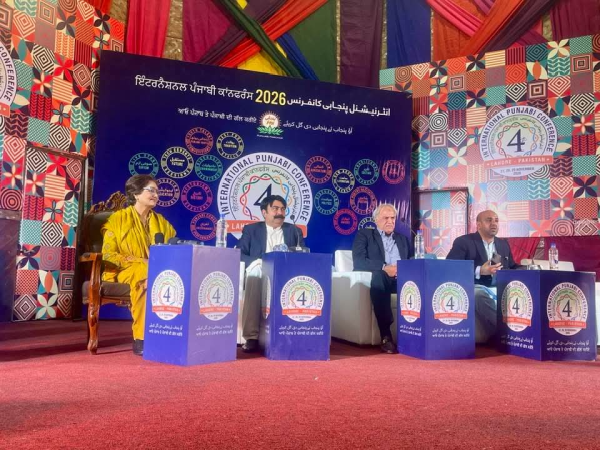
A session titled “Punjab’s Political Narrative” examined the province’s political identity, language, cultural roots and contemporary challenges. Punjab Assembly Speaker Malik Muhammad Ahmad Khan described Punjabi as the language of ordinary people and asked why a language spoken by millions still lacked an adequate place in official business and public administration.
Sugra Sadaf moderated the discussion, which featured Khawaja Saad Rafique, Fawad Chaudhry, Nadeem Afzal Chan, Chaudhry Manzoor, Qamar Zaman Kaira, Justice Anwarul Haq Pannun, Raja Yaser Humayun and senior journalist Sohail Warraich. Panellists discussed governance, provincial concerns, political representation and Punjab’s political and cultural identity. They also spoke about recognising Punjabi as a language of public debate and cultural expression.
Speakers Call for Compulsory Punjabi in Primary Schools
Speakers discussing Punjabi in education said teaching it in just one department at a university was insufficient to preserve and promote the language. They called for Punjabi to be compulsory at primary level so every child could learn to read and write it.
They also proposed adding Punjab’s history, literature, culture and Sufi poetry to matriculation and A-level curricula so students could learn about their heritage and become familiar with the province’s historical and literary figures. Speakers said preserving the language required practical education policies, commitment from institutions and opportunities for young people to read, write, conduct research and create work in Punjabi.
Universities, Artificial Intelligence and the Next Generation
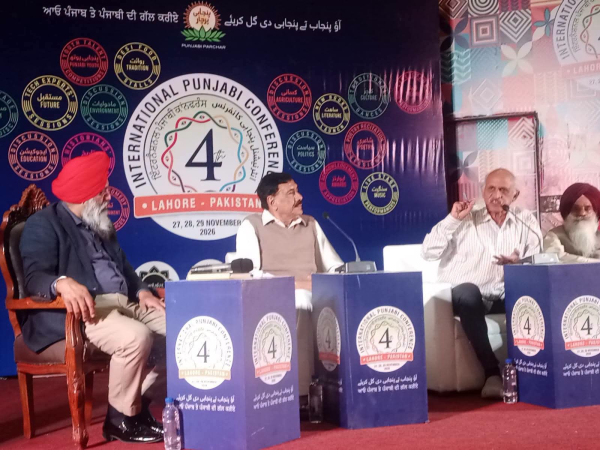
The second day featured 20 sessions. Topics included the future of Punjabi, the responsibilities of universities, the place of mother languages in education and the role of Punjabi language and culture in the age of artificial intelligence.
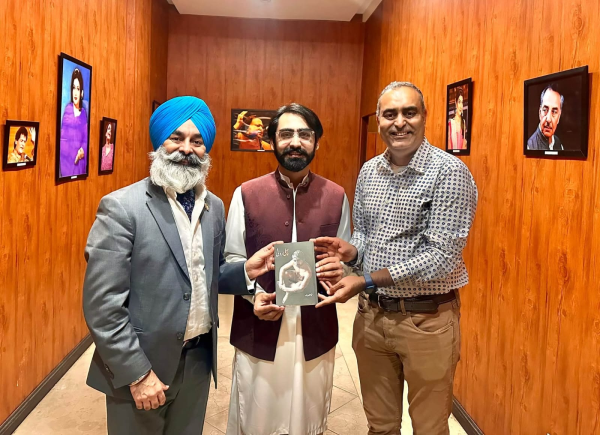
A session on young people explored cultural identity, economic pressures and the aspirations of younger generations. The programme also included discussions on Sufi poets and spiritual traditions, research papers, literary contributions and book launches. Young writer Ali Usman Bajwa presented his publications to international delegates, drawing praise from participants.
Delegates From Nine Countries and Representatives of 13 Universities
More than 50 international delegates from nine countries are attending, including writers, academics, researchers, artists and representatives of Punjabi communities and cultural organisations. Participants include delegates from the United States, Canada, Britain, Australia, the United Arab Emirates and New Zealand. Indian Punjab Chief Minister Bhagwant Mann was also invited, though his participation had yet to be officially confirmed.
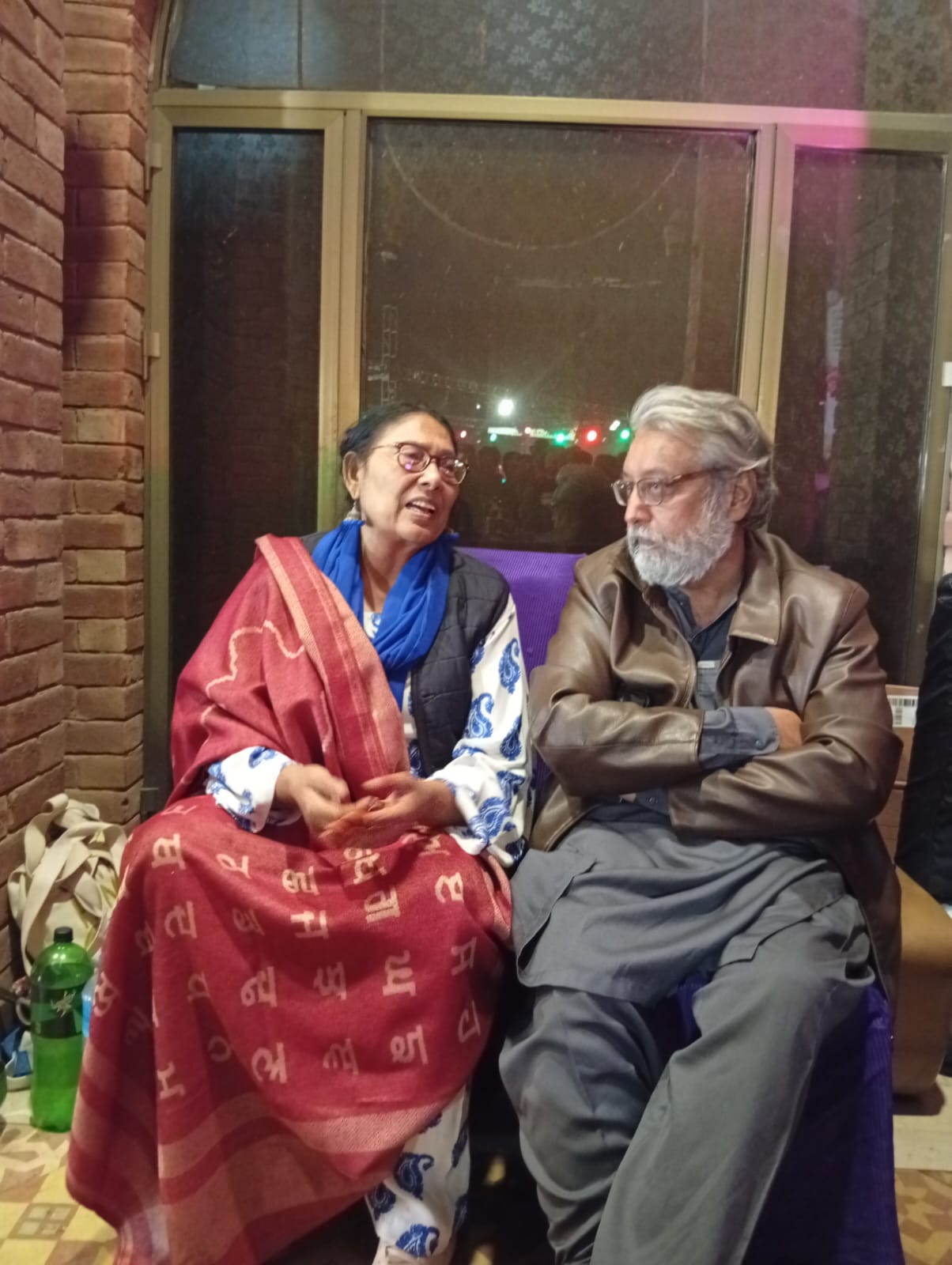
Intellectuals, literary figures, political leaders and vice-chancellors representing 13 universities across Punjab attended the sessions. Participants also wore traditional attire to express their connection to Punjabi heritage.
Folk Music, Theatre and Punjabi Poetry
Punjabi singers Sami Jutt, Happy Singh and Mujahid Mansoor Malangi performed on the main stage from 6:15 p.m. to 8:00 p.m. Organisers said nine Punjabi singers from different countries would perform during the conference. Folk singers also performed traditional Punjabi songs.
The cultural programme included a theatre performance exploring themes and figures associated with Sufi poet Bulleh Shah and Sikh warrior Banda Singh Bahadur, alongside folk and Sufi music, student presentations and a youth poetry session.
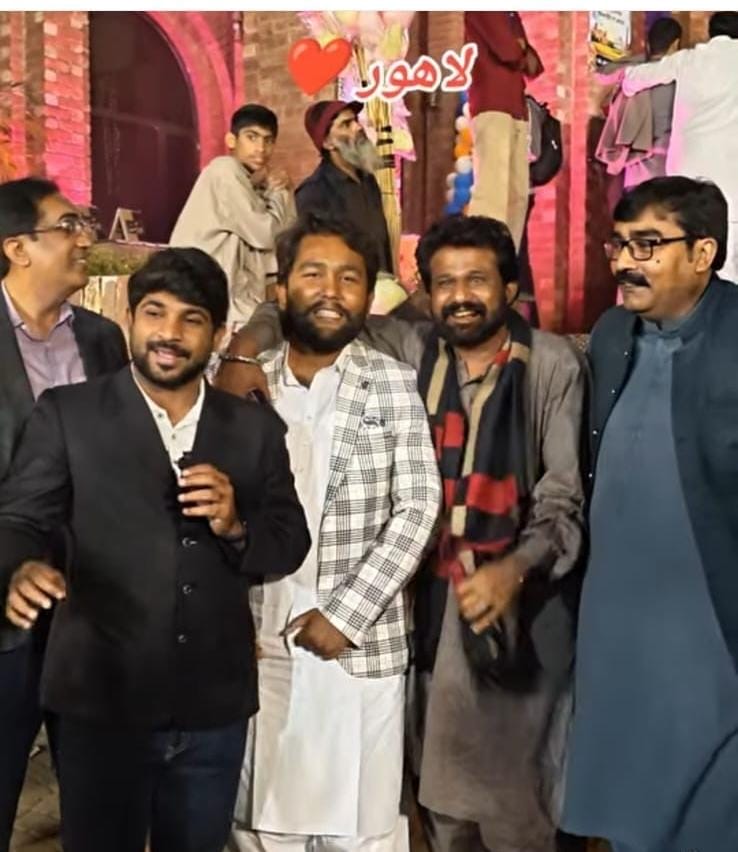
Prominent Punjabi poets presented their work at a mushaira, or poetry gathering. Young Punjabi poet Jagnoo Chattha received particular appreciation from the audience for his presentation.
The conference is scheduled to conclude on Sunday, November 29, with the remaining sessions and a closing ceremony. Discussions on language, identity, literature, education and cultural heritage will continue on the final day.
ਲਾਹੌਰ ਦੀ ਪੰਜਾਬੀ ਕਾਨਫਰੰਸ

Leave a Reply