
LNG Supply Shock Pushes Pakistan Towards Coal, Hydro, Nuclear and Renewables
- Internationl
- (Asia/Kolkata)
ISLAMABAD | Nazrana Times Ali Imran Chattha
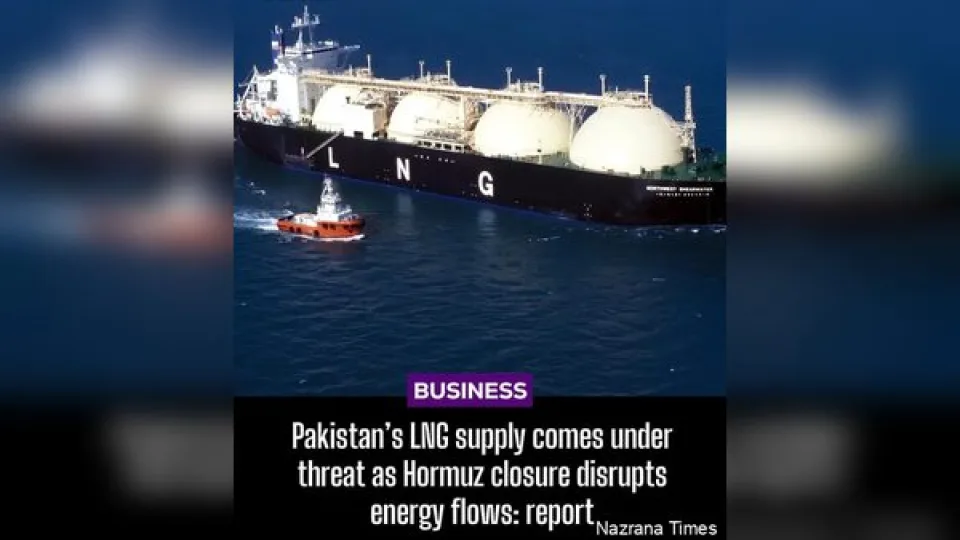
Pakistan is turning increasingly to coal, hydropower, nuclear and renewable energy as disruptions to LNG supplies expose the country’s dependence on imported gas, officials said.
The supply shock deepened after an attack on Qatar’s Ras Laffan LNG facility prompted QatarEnergy to declare force majeure on March 4, 2026, affecting long-term LNG supplies to Pakistan. Qatar and the UAE account for about 99 percent of Pakistan’s LNG imports, while LNG represents roughly 30 percent of total gas supply and about 10 percent of electricity generation.
Officials said Pakistan has been forced to purchase spot LNG cargoes at prices exceeding $21 per MMBtu. The government has warned that prolonged disruptions could result in one to two hours of load-shedding during peak summer evenings.
The government has also cancelled 21 LNG cargoes scheduled for 2026-27 under a long-term agreement with Eni, citing declining gas demand as domestic energy capacity expands.
Power Minister Awais Leghari said 74 percent of electricity now comes from domestic sources, with a target of more than 96 percent by 2034.
The changing power mix includes a growing contribution from domestic coal, hydropower, nuclear generation and solar energy. Thar lignite, with estimated reserves of 186 billion tonnes, generates around 12 TWh annually, while hydropower produces about 40 TWh and can provide up to 7,000 MW during peak summer months.
Nuclear generation has reached roughly 22 TWh, accounting for about 27 percent of the power mix in 2025. Rooftop solar installations have also surpassed 20 GW, reducing daytime demand from the national grid.
Experts and industry reports, including Gastech’s Outlook for Gas and LNG Markets in Asia, have called for faster development of utility-scale solar and wind projects, greater investment in energy storage and expanded gas storage capacity.
They have also recommended larger strategic fuel reserves and greater flexibility in gas-fired power plants to help manage future supply disruptions.
The LNG disruption has highlighted the risks associated with Pakistan’s reliance on imported gas and increased the focus on diversifying the country’s energy mix through domestic and renewable sources.






Leave a Reply