
ਛੇੜਿਆ ਕਾਂਬਾ ਕੇਡੀ ਚੌਧਰੀ ਦੀ ਗ੍ਰਿਫ਼ਤਾਰੀ ਨੇ, ਮੰਗਵਾਈਆਂ ਗਈਆਂ ਫਾਈਲਾਂ ਵਿਜੀਲੈਂਸ ਦੇ ਮੁੱਖ ਦਫ਼ਤਰ ਵਿੱਚ…
- ਸੰਪਾਦਕੀ
- (Asia/Kolkata)
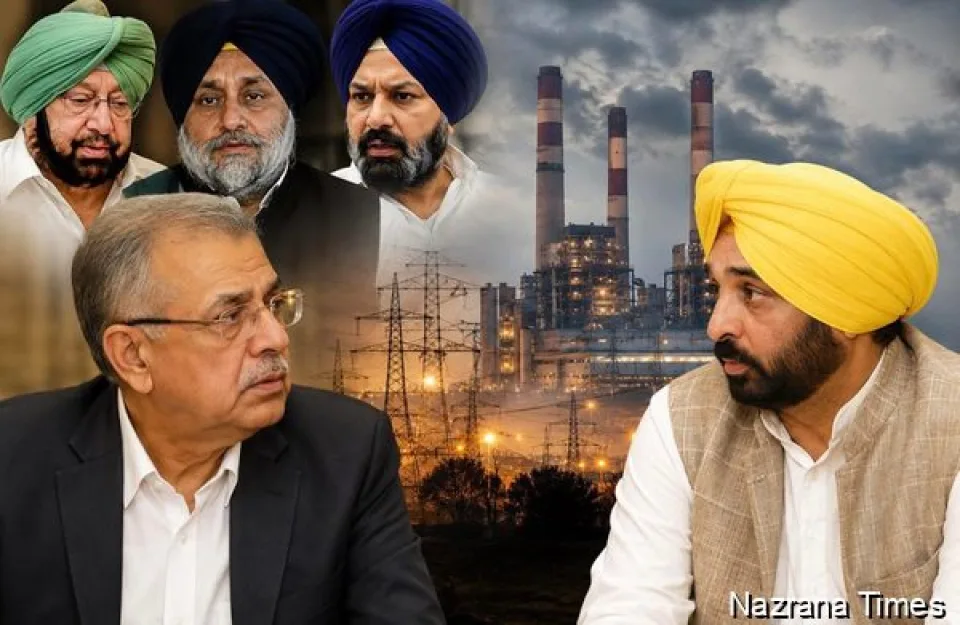
ਪੰਜਾਬ ਦੀ ਸਿਆਸਤ ਵਿੱਚ ਇੱਕ ਨਵਾਂ ਤੇ ਬਹੁਤ ਮਹੱਤਵਪੂਰਨ ਮੋੜ ਆਉਂਦਾ ਦਿਖਾਈ ਦੇ ਰਿਹਾ ਹੈ। ਪੰਜਾਬ ਵਿਜਿਲੈਂਸ ਬਿਊਰੋ ਵੱਲੋਂ ਸਾਬਕਾ CMD PSPCL K.D. Chaudhary ਦੀ ਗ੍ਰਿਫ਼ਤਾਰੀ ਸਿਰਫ਼ ਇੱਕ isolated corruption case ਵਜੋਂ ਨਹੀਂ ਵੇਖੀ ਜਾ ਰਹੀ, ਸਗੋਂ power sector ਦੇ ਪਿਛਲੇ ਦੋ ਦਹਾਕਿਆਂ ਦੇ ਕਈ ਵੱਡੇ ਫੈਸਲਿਆਂ ਦੀ ਸੰਭਾਵਿਤ ਮੁੜ-ਜਾਂਚ ਦੇ ਸੰਕੇਤ ਵਜੋਂ ਵੀ ਦੇਖੀ ਜਾ ਰਹੀ ਹੈ, ਇਹ ਕੇਸ Ludhiana ਖੇਤਰ ਵਿੱਚ ਇੱਕ power infrastructure/sub-station ਨਾਲ ਜੁੜੇ alleged irregularities ਨਾਲ ਸੰਬੰਧਿਤ ਦੱਸਿਆ ਜਾ ਰਿਹਾ ਹੈ। ਪਰ power circles ਅਤੇ bureaucracy ਵਿੱਚ ਇਸ ਤੋਂ ਵੀ ਵੱਡੀ ਚਰਚਾ ਕਿਸੇ ਹੋਰ ਗੱਲ ਦੀ ਹੈ — ਉਹ ਇਹ ਕਿ K.D. Chaudhary ਦੇ tenure ਦੌਰਾਨ ਹੋਏ ਮਹੱਤਵਪੂਰਨ power decisions ਦੀਆਂ ਫਾਈਲਾਂ Vigilance Headquarters Mohali ਵੱਲੋਂ ਮੰਗਵਾਈਆਂ ਗਈਆਂ ਹਨ।
ਸਰੋਤਾਂ ਅਨੁਸਾਰ ਵਿਜਿਲੈਂਸ ਹੁਣ ਸਿਰਫ਼ ਇੱਕ single FIR ਤੱਕ ਸੀਮਿਤ ਨਹੀਂ ਰਹਿਣਾ ਚਾਹੁੰਦੀ। ਕਿਹਾ ਜਾ ਰਿਹਾ ਹੈ ਕਿ PSPCL ਅਤੇ power department ਦੇ ਉਹ ਸਾਰੇ “crucial decisions” ਦੁਬਾਰਾ examine ਕੀਤੇ ਜਾ ਸਕਦੇ ਹਨ ਜਿਹੜੇ Punjab power sector ਦੀ financial structure ਉੱਤੇ ਲੰਬੇ ਸਮੇਂ ਦਾ ਪ੍ਰਭਾਵ ਛੱਡ ਗਏ। ਇਸੇ ਕਰਕੇ bureaucracy ਅਤੇ political circles ਵਿੱਚ ਇੱਕ ਵੱਖਰੀ ਕਿਸਮ ਦੀ ਹਲਚਲ ਵੇਖੀ ਜਾ ਰਹੀ ਹੈ।
ਸਭ ਤੋਂ ਵੱਡਾ ਕਾਰਨ ਇਹ ਹੈ ਕਿ K.D. Chaudhary ਕੋਈ ਆਮ ਅਧਿਕਾਰੀ ਨਹੀਂ ਸਨ। 2010 ਵਿੱਚ ਜਦੋਂ Punjab State Electricity Board (PSEB) ਨੂੰ ਤੋੜ ਕੇ Punjab State Power Corporation Limited (PSPCL) ਅਤੇ Punjab State Transmission Corporation Limited (PSTCL) ਬਣਾਈਆਂ ਗਈਆਂ, ਉਸ restructuring ਤੋਂ ਬਾਅਦ PSPCL ਦੇ ਪਹਿਲੇ CMD ਵਜੋਂ K.D. Chaudhary ਦੀ ਨਿਯੁਕਤੀ ਹੋਈ ਸੀ। ਇਸ ਕਰਕੇ unbundled Punjab power structure ਦਾ ਸਭ ਤੋਂ visible administrative face ਉਹੀ ਮੰਨੇ ਜਾਂਦੇ ਰਹੇ।
ਇਹੀ ਕਾਰਨ ਹੈ ਕਿ ਹੁਣ ਇਹ ਜਾਂਚ ਸਿਰਫ਼ ਇੱਕ sub-station ਜਾਂ ਇੱਕ procurement dispute ਦੀ ਜਾਂਚ ਨਹੀਂ ਮੰਨੀ ਜਾ ਰਹੀ, ਸਗੋਂ ਪਿਛਲੇ power-policy era ਦੀ deeper scrutiny ਵਜੋਂ ਵੀ ਵੇਖੀ ਜਾ ਰਹੀ ਹੈ।
ਖਾਸ ਧਿਆਨ renewable energy ਅਤੇ solar agreements ਵੱਲ ਵੀ ਜਾ ਸਕਦਾ ਹੈ। Punjab ਵਿੱਚ ਇੱਕ ਸਮੇਂ aggressive renewable expansion ਨੂੰ future-oriented policy ਕਿਹਾ ਗਿਆ ਸੀ। ਪਰ ਬਾਅਦ ਵਿੱਚ ਕਈ experts ਅਤੇ opposition parties ਨੇ ਦੋਸ਼ ਲਗਾਇਆ ਕਿ ਕੁਝ solar power agreements unusually expensive rates ‘ਤੇ sign ਹੋਏ, ਜਿਨ੍ਹਾਂ ਕਾਰਨ PSPCL ਉੱਤੇ long-term financial burden ਵਧਿਆ।
ਇੱਥੇ ਇਹ ਗੱਲ ਸਮਝਣਾ ਜ਼ਰੂਰੀ ਹੈ ਕਿ ਉਸ ਦੌਰ ਵਿੱਚ renewable tariffs ਅੱਜ ਨਾਲੋਂ ਕਾਫ਼ੀ ਉੱਚੇ ਹੁੰਦੇ ਸਨ। Solar technology ਮਹਿੰਗੀ ਸੀ, battery ecosystem weak ਸੀ ਅਤੇ India ਦਾ renewable market ਅਜੇ early stage ਵਿੱਚ ਸੀ। ਇਸ ਕਰਕੇ ਸਰਕਾਰਾਂ ਅਤੇ utilities future energy security ਨੂੰ ਧਿਆਨ ਵਿੱਚ ਰੱਖ ਕੇ high tariff agreements ਕਰ ਰਹੀਆਂ ਸਨ।
ਪਰ ਬਾਅਦ ਵਿੱਚ ਜਦੋਂ solar rates dramatic ਤਰੀਕੇ ਨਾਲ ਘਟੇ, ਤਾਂ ਉਹ ਪੁਰਾਣੇ agreements politically controversial ਬਣ ਗਏ। Opposition parties ਨੇ ਕਿਹਾ ਕਿ Punjab unnecessarily expensive contracts ਵਿੱਚ ਫਸ ਗਿਆ। ਦੂਜੇ ਪਾਸੇ power experts ਦਾ argument ਰਿਹਾ ਕਿ hindsight ਨਾਲ ਹਰ agreement ਨੂੰ scam ਕਹਿਣਾ technically fair ਨਹੀਂ ਹੁੰਦਾ, ਕਿਉਂਕਿ ਉਸ ਸਮੇਂ ਦੀ market reality ਵੱਖਰੀ ਸੀ।
ਇਸੇ ਕਰਕੇ ਹੁਣ ਸਭ ਤੋਂ ਵੱਡਾ ਸਵਾਲ ਇਹ ਬਣਦਾ ਹੈ ਕਿ Vigilance inquiry policy failure ਅਤੇ criminal misconduct ਵਿਚਕਾਰ ਲਕੀਰ ਕਿਵੇਂ ਖਿੱਚੇਗੀ।
ਕਿਉਂਕਿ power sector agreements ਆਮ administrative files ਨਹੀਂ ਹੁੰਦੇ। ਉਹਨਾਂ ਵਿੱਚ:
• Cabinet approvals
• Punjab State Electricity Regulatory Commission (PSERC) clearances
• competitive bidding frameworks
• central electricity regulations
• financial institutions
• long-term escrow/payment commitments
ਸਭ involved ਹੁੰਦੇ ਹਨ।
ਇਸ ਲਈ ਜੇ ਕੋਈ ਜਾਂਚ agency criminal conspiracy establish ਕਰਨੀ ਚਾਹੁੰਦੀ ਹੈ ਤਾਂ ਉਸਨੂੰ ਇਹ prove ਕਰਨਾ ਪਵੇਗਾ ਕਿ:
• state ਨੂੰ ਜਾਣ-ਬੁੱਝ ਕੇ ਨੁਕਸਾਨ ਪਹੁੰਚਾਇਆ ਗਿਆ
• undue favour ਦਿੱਤਾ ਗਿਆ
• quid pro quo ਹੋਇਆ
• ਜਾਂ decision-making mala fide ਸੀ
ਸਿਰਫ਼ ਇਹ ਕਹਿ ਦੇਣਾ ਕਿ agreement ਅੱਜ ਮਹਿੰਗਾ ਲੱਗਦਾ ਹੈ — ਕਾਨੂੰਨੀ ਤੌਰ ‘ਤੇ criminal liability establish ਕਰਨ ਲਈ ਕਾਫ਼ੀ ਨਹੀਂ ਹੁੰਦਾ।
ਪਰ bureaucracy ਵਿੱਚ anxiety ਇਸ ਕਰਕੇ ਵਧ ਰਹੀ ਹੈ ਕਿਉਂਕਿ sources ਮੁਤਾਬਕ Vigilance Bureau disproportionate assets angle ਨੂੰ ਵੀ examine ਕਰ ਰਹੀ ਹੈ। ਜੇ ਇਹ probe aggressive ਤਰੀਕੇ ਨਾਲ ਅੱਗੇ ਵਧਦੀ ਹੈ ਤਾਂ inquiry ਸਿਰਫ਼ administrative approvals ਤੱਕ ਸੀਮਿਤ ਨਹੀਂ ਰਹੇਗੀ, ਸਗੋਂ individual asset trails, linked entities, family holdings ਅਤੇ alleged financial gains ਤੱਕ ਵੀ ਜਾ ਸਕਦੀ ਹੈ।
ਇਸ ਮਾਮਲੇ ਦਾ ਸਭ ਤੋਂ ਵੱਡਾ political dimension ਇਹ ਹੈ ਕਿ Punjab ਦੀ politics ਵਿੱਚ PPA ਅਤੇ power agreements ਪਿਛਲੇ ਕਈ ਸਾਲਾਂ ਤੋਂ “symbolic corruption issue” ਬਣੇ ਹੋਏ ਹਨ। Opposition ਵਿੱਚ ਰਹਿੰਦਿਆਂ AAP ਨੇ ਇਸਨੂੰ Punjab finances ਨੂੰ ਡੁੱਬਣ ਵਾਲਾ “power scam” ਦੱਸਿਆ ਸੀ। Harpal Singh Cheema ਸਮੇਤ ਕਈ ਆਗੂਆਂ ਨੇ thermal PPAs, fixed charges ਅਤੇ coal-related burden ਨੂੰ Punjab ਦੀ economic crisis ਨਾਲ ਜੋੜਿਆ ਸੀ।
ਪਰ ਸਰਕਾਰ ਵਿੱਚ ਆਉਣ ਤੋਂ ਬਾਅਦ situation complicated ਹੋ ਗਈ। ਕਿਉਂਕਿ contracts legally binding ਸਨ। Power companies arbitration ਵਿੱਚ ਜਾ ਸਕਦੀਆਂ ਸਨ। Punjab ਦੀ investor credibility ਅਤੇ PSPCL ਦੀ financial stability ਉੱਤੇ ਵੀ ਸਵਾਲ ਖੜ੍ਹੇ ਹੋ ਸਕਦੇ ਸਨ। ਇਸ ਕਰਕੇ aggressive cancellation ਦੀ ਥਾਂ governments ਨੇ cautious approach ਰੱਖੀ।
ਹੁਣ K.D. Chaudhary ਦੀ ਗ੍ਰਿਫ਼ਤਾਰੀ ਅਤੇ ਫਾਈਲਾਂ ਦੀ scrutiny ਨੇ ਇਹ debate ਦੁਬਾਰਾ ਜ਼ਿੰਦਾ ਕਰ ਦਿੱਤੀ ਹੈ ਕਿ ਕੀ Punjab power sector ਵਿੱਚ sirf bad policy decisions ਹੋਏ ਸਨ ਜਾਂ ਕੁਝ decisions ਦੇ ਪਿੱਛੇ criminal intent ਵੀ ਸੀ।
ਇਹ ਜਾਂਚ ਅੱਗੇ ਜਾ ਕੇ ਸਿਰਫ਼ ਇੱਕ officer ਤੱਕ ਸੀਮਿਤ ਰਹਿੰਦੀ ਹੈ ਜਾਂ bureaucracy-politics-business nexus ਤੱਕ ਫੈਲਦੀ ਹੈ — ਇਹ ਆਉਣ ਵਾਲੇ ਸਮੇਂ ਵਿੱਚ Punjab ਦੀ ਸਭ ਤੋਂ ਵੱਡੀ administrative ਅਤੇ political story ਬਣ ਸਕਦੀ ਹੈ।




Leave a Reply