Kabul, Kandahar Hit as Islamabad Escalates Cross-Border Conflict with Taliban
27 Feb, 2026 07:44 PM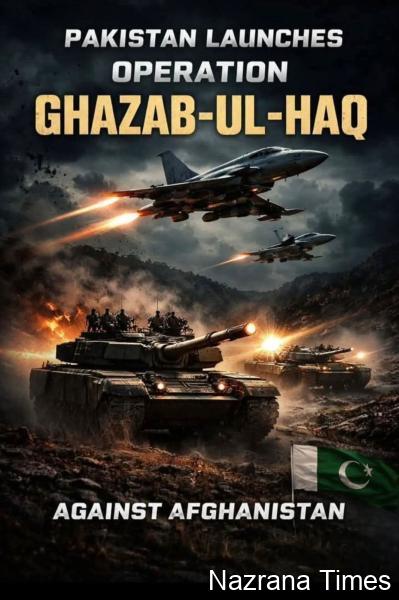
Pakistan Declares 'Open War' on Afghan Taliban as Airstrikes Devastate Kabul, Kandahar, and Paktia
Operation 'Ghazab Lil Haq' Targets Taliban Strongholds Amid Escalating Border Conflict
By Ali Imran Chattha | Nazrana Times | Islamabad, February 27, 2026
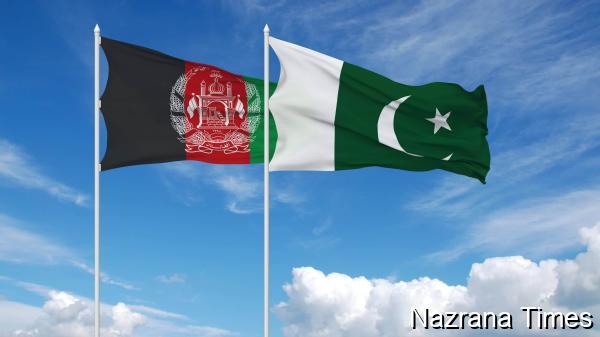
Historic Escalation: Islamabad Declares ‘Open War’In a stunning turn of events that marks the gravest crisis in Pakistan-Afghanistan relations since the fall of Kabul in 2021, Islamabad has officially declared “open war” against the Afghan Taliban government following massive cross-border clashes and unprecedented airstrikes deep inside Afghan territory.Pakistani forces, under Operation Ghazab Lil Haq (“Righteous Fury”), launched coordinated strikes targeting Taliban military infrastructure in Kabul, Kandahar, Paktia, and adjoining regions. The operation came less than 24 hours after Taliban units allegedly launched simultaneous assaults on Pakistani border positions along several sectors of the Durand Line.Defense Minister Khawaja Muhammad Asif, addressing a press conference earlier today, stated bluntly that Pakistan’s “patience has run out,” describing the situation as “an open war forced upon us by consistent Taliban provocations.”Airstrikes and Ground Operations: Taliban Installations Decimated
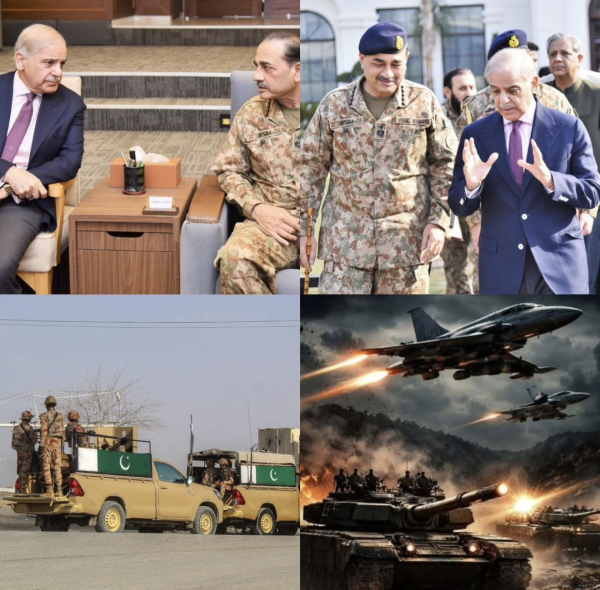
According to the Director General Inter-Services Public Relations (DG ISPR), Lt. Gen. Ahmed Sharif Chaudhry, Pakistan’s air and ground operations “neutralized at least 274 Taliban personnel and associated militants,” while over 400 others sustained injuries.He reported destruction of 22 enemy targets, including brigade headquarters, air defense sites, and ammunition depots used to support the Tehrik-i-Taliban Pakistan (TTP). Additional intelligence-based operations reportedly destroyed 27 posts, several tanks, and armored vehicles.Pakistan suffered 12 soldiers killed and several wounded in retaliatory exchanges. “Our strikes were precise and intelligence driven, aimed at eliminating terrorist infrastructure, while minimizing civilian casualties,” said Gen. Chaudhry. “The Taliban regime has acted as a master proxy for the TTP, conducting and facilitating attacks against Pakistan.”PM Shehbaz Briefed at GHQ: Zero-tolerance Policy DeclaredPrime Minister Shehbaz Sharif visited the General Headquarters (GHQ) in Rawalpindi earlier today, where he was briefed by the Chief of Army Staff and key military commanders. The meeting reaffirmed what officials described as “complete civil-military unity” in the face of external aggression.PM Sharif directed security institutions to implement a “zero Tolerance policy” toward militant networks—referred to in military briefings as Fitna al-Khawarij operating with or under the Afghan Taliban’s cover.“Our preference remains peace, but peace cannot come at the expense of our sovereignty,” the Prime Minister told reporters.
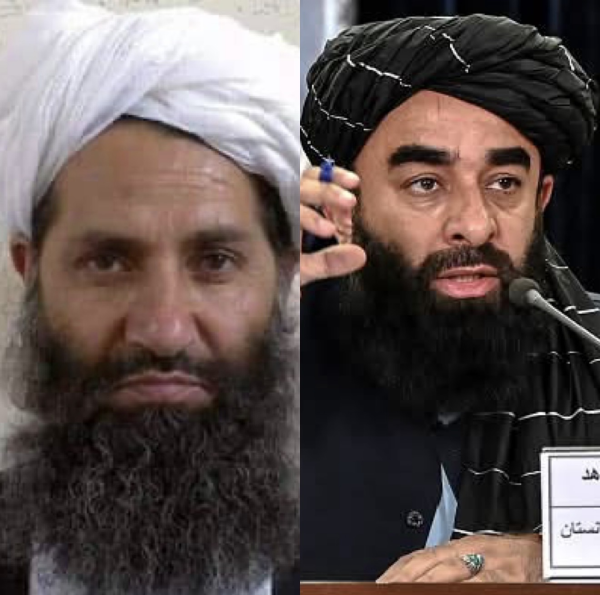
“Pakistan will defend itself by all means necessary.”Taliban Response: Retaliation and Call for DialogueFrom Kabul, Taliban spokesperson Zabihullah Mujahid confirmed the Pakistani airstrikes, including damage in Kabul, Kandahar, and Paktia. He claimed Afghan forces responded with “largescale offensive operations,” alleging 55 Pakistani soldiers were killed in counterattacks—figures unverified by independent observers.Despite the belligerent tone, Mujahid reiterated that the Taliban still "prefer a peaceful resolution through dialogue,” urging regional and international mediators to intervene. However, he cautioned that “continued aggression will have broader consequences.”Ground sources in southern Afghanistan reported heavy clashes around Spin Boldak and Torkham sectors, with air raid sirens heard in multiple towns. Afghan social media carried unverified footage of explosions and wrecked vehicles along Taliban supply convoys.Roots of the Conflict: TTP and the Durand LineThe flashpoint traces back to Pakistan’s long-standing accusation that the Taliban government shelters the Tehrik-i-Taliban Pakistan (TTP) the insurgent group behind hundreds of deadly attacks on Pakistani soil. Kabul has repeatedly denied these charges, countering that Pakistan’s past border strikes violated Afghan sovereignty.
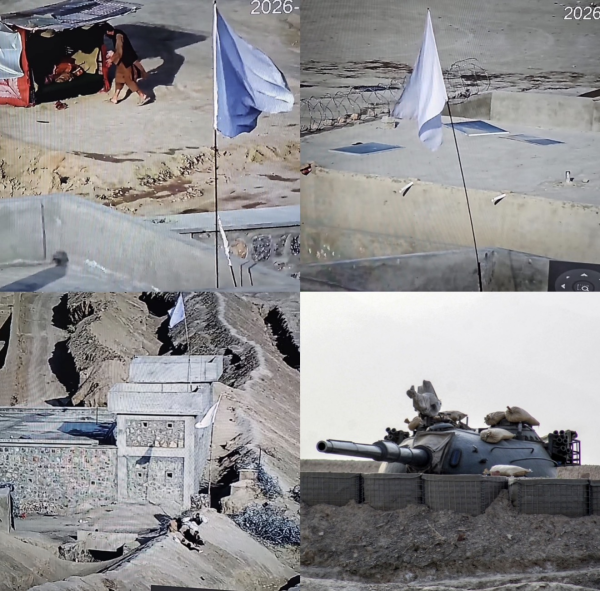
Recent months saw escalating border skirmishes, Taliban obstruction of fence reconstruction along the Durand Line, and Pakistan’s warnings against cross-border sanctuaries. Thursday’s Taliban assault, viewed in Islamabad as “a red line crossed,” triggered the current phase of open hostilities.International Outcry and Diplomatic StakesAs both sides sustain heavy losses, international concern has surged. The United Nations, China, Iran, and several Gulf states have urgently called for restraint and dialogue. Beijing, a key partner to both countries, offered to mediate “to prevent spiraling instability in the region.”UN Secretary General António Guterres expressed alarm over civilian safety, urging “immediate de-escalation and respect for international humanitarian law.”Regional analysts warned that the confrontation could morph into South Asia’s most dangerous conflict in decades particularly given Pakistan’s nuclear status and Afghanistan’s volatile internal dynamics.What Lies AheadFor now, Operation Ghazab Lil Haq remains underway, with Pakistani fighter jets reportedly maintaining air dominance over targeted sectors. Taliban convoys in Logar and Ghazni have also come under attack.While Islamabad insists it seeks peace from a position of strength, Kabul’s rhetoric and mobilization suggest the conflict could intensify before any talks resume.As night falls across the borderlands, both sides brace for another round of violence with diplomatic channels scrambling to prevent the region from descending into full scale war.
Posted By: TAJEEMNOOR KAUR